
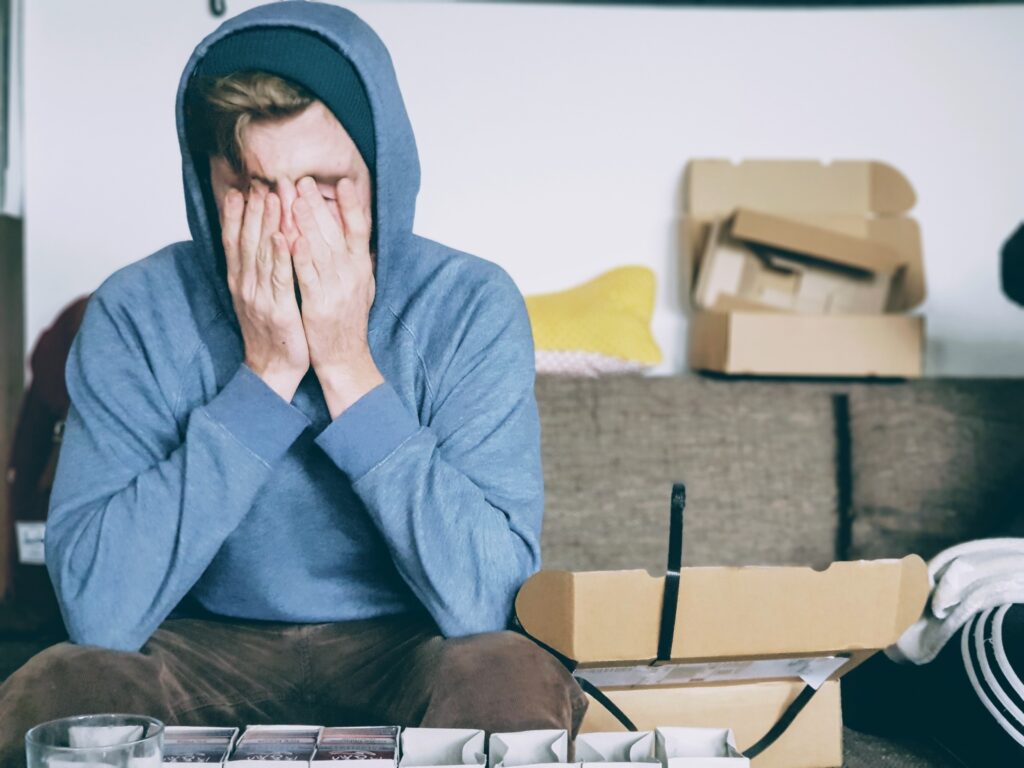
Life can take its toll. Many of us have felt pressures of work or family responsibility overload us from time to time. Sometimes its a temporary issue that can be resolved by some extra help and support or a good holiday. Other times it’s more serious and long lasting and needs more drastic, far-reaching action. This sort of stressful situation is often referred to as ‘burnout’ and it isn’t something we should be ashamed of. If you or someone close to you is suffering, please do encourage them to reach out and seek help.
A new survey has revealed the extent of Burnt-out Britain, of which financial pressures, a lack of control of everyday lives, and a poor work-life balance were at the root cause of their burnout.
Burnout was previously described by the World Health Organisation in 2019 as an “occupational phenomenon”, conceptualised from chronic workplace stress. However, since the start of the global pandemic hit in 2020, we have seen a greater emphasis on the implications of burnout, particularly those working on the frontline as key workers, or the additional parental duties of home-schooling, and how it affects all aspects of our professional and personal lives.
The contrast of triggers and symptoms between men and women, parents, and non-parents, indicate the societal pressures and levels of uncertainty that have undoubtably taken their toll on the nation over the past year. Women experienced more symptoms of burnout than men, with low motivation (55%), increased irritability (50%) and low energy levels (54%) more frequent than their male counterparts. Whilst age was another factor that changed the experience of burnout amongst adults, with those aged under 25 attributing excessive workloads (37%) and people pleasing (26%) as two of the main underlying issues of Burnout, compared with adults aged over 25 years old across both genders who regarded financial pressures (38%) as the main cause.
Author of “Burnt out: The Exhausted Person’s Guide to Thriving in a Fast-paced World”, Selina Barker, comments:
“Burnout is a state of feeling emotionally, physically and mentally exhausted, as a result of excessive and prolonged stress caused by over-working. It is our body’s way of signalling there is an energy crisis taking place and something has to change. When we reach this point of exhaustion, we can feel like we can no longer cope with our daily responsibilities, struggle to focus, lose our compassion for others and struggle to switch off or sleep at night.”
Due to excessive levels of stress, low energy, and prolonged feelings of physical, mental or emotional exhaustion, 36% of those surveyed sought help from their GP, some of whom were prescribed anti-depressants and other medications.
Selina Barker comments:
“Thankfully, burnout is not a fixed state of being, by identifying what has been causing you to burnout and learning how to manage your energy and design your working day so that you can thrive, you can break free from burnout and become more energised, calmer and more fulfilled at work than ever before.”
Emphasising the need to restore our energy levels, Selina Barker adds:
“When you’re feeling fully burnt out or feeling like you’re about to burnout, the first thing you need to do is STOP. Hit pause on your to-do lists, cancel your plans and get into bed. Rest and recovery need to be your top priority. Treat yourself as if you had the flu.
If you’ve had a mild burnout then a weekend might be enough to restore you. If you’re severely burnt out, then you might need to take a few weeks or even a few months off from work. Whatever time you take to recover from burnout, focus on doing things that help you to switch off from work, deeply relax and calm your nervous system: walking in nature, gentle exercise, plenty of sleep, hot baths, nourishing food, talking to a friend about how you’re doing. You can also explore the use of an adaptogen, such as Rhodiola rosea that can help to restore the body’s natural equilibrium from the inside out.”
Leave a Reply